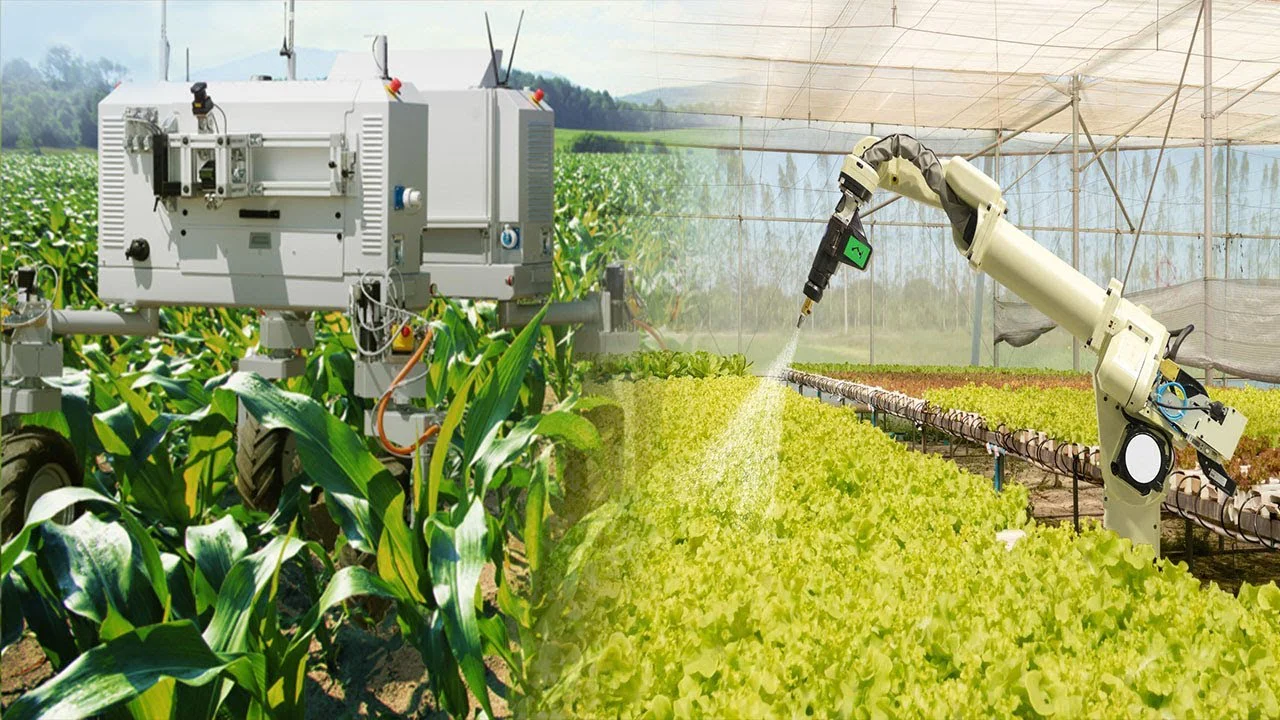
Artificial Intelligence (AI) is transforming agriculture by optimizing farming practices, improving efficiency, and promoting sustainability. From crop monitoring and predictive analytics to automated harvesting and precision farming, AI-driven solutions help farmers increase yields, reduce resource waste, and adapt to climate challenges.
1. AI-Powered Crop Monitoring and Disease Detection
AI-driven computer vision and machine learning algorithms analyze satellite imagery, drone footage, and IoT sensor data to monitor crop health.
🔹 Early Disease Detection: AI identifies pests, nutrient deficiencies, and infections before they spread.
🔹 Predictive Analytics: AI forecasts weather patterns, soil moisture, and pest outbreaks, enabling proactive farming decisions.
🔹 Smart Irrigation: AI-driven sensors adjust water usage based on real-time soil conditions, reducing water waste.
📌 Example: IBM’s Watson Decision Platform for Agriculture uses AI to provide real-time insights for farmers.
2. AI in Precision Agriculture
Precision farming leverages AI, GPS, and IoT to optimize the use of fertilizers, pesticides, and water.
✅ Soil Health Analysis: AI assesses soil quality and recommends optimal crop rotations and treatments.
✅ Variable Rate Application (VRA): AI ensures precise application of fertilizers based on soil needs, improving productivity while reducing environmental impact.
✅ Yield Prediction Models: AI analyzes historical and real-time data to forecast crop yields with high accuracy.
📌 Example: John Deere’s AI-driven tractors use computer vision to identify weeds and spray pesticides only where needed, reducing chemical use.
3. AI and Autonomous Harvesting
AI-powered robots and drones enable efficient harvesting, reducing labor costs and increasing productivity.
🔹 Autonomous Harvesters: AI-driven machines identify ripe crops and harvest them with precision.
🔹 AI-Powered Sorting and Grading: AI inspects harvested produce for quality control and sorting.
🔹 Automated Drones: AI-driven drones plant seeds, spray fertilizers, and monitor large farmlands efficiently.
📌 Example: Agrobot’s AI-powered strawberry harvester picks fruit with delicate precision, improving efficiency.
4. Sustainability and Climate Adaptation
AI helps farmers adapt to climate change and adopt eco-friendly farming practices.
✅ Carbon Footprint Reduction: AI optimizes energy and resource consumption, reducing emissions.
✅ AI-Powered Crop Breeding: AI analyzes genetic data to develop climate-resistant crop varieties.
✅ Waste Reduction: AI-driven supply chain models minimize post-harvest losses and optimize food distribution.
📌 Example: Microsoft’s AI for Earth initiative supports AI-driven agricultural sustainability projects worldwide.
Conclusion
AI-driven agricultural automation is enhancing productivity, reducing environmental impact, and ensuring food security. By integrating AI with robotics, IoT, and big data analytics, farming is becoming more efficient, precise, and sustainable, paving the way for the future of smart agriculture. 🌱🚜🤖