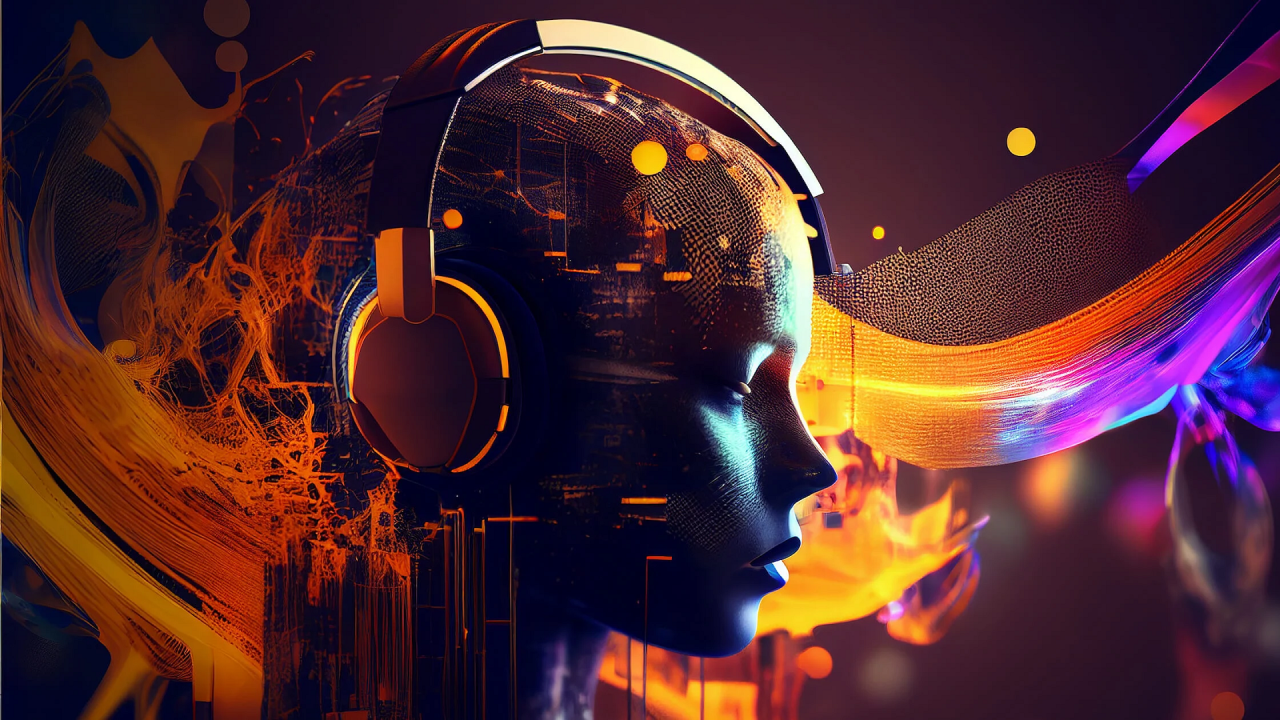
Artificial Intelligence (AI) is reshaping the creative arts, from composing music to generating stunning visual art. As AI-powered tools become more sophisticated, they challenge traditional notions of creativity, raising questions about authorship, originality, and the role of human artists. While some see AI as a tool that enhances artistic expression, others worry about its potential to replace human creativity.
AI in Music Composition 🎵
AI-driven music generation has advanced significantly, enabling automated composition, personalized soundtracks, and real-time music adaptation. Machine learning models analyze vast datasets of existing music, learn patterns, and generate new compositions across various genres.
1. AI Music Composition Tools
Several AI-powered music platforms assist musicians and composers in creating new pieces:
- AIVA (Artificial Intelligence Virtual Artist): Trained on classical music, AIVA composes original symphonies used in films, games, and commercials.
- OpenAI’s MuseNet: A deep-learning model capable of composing music in multiple styles, from jazz to classical.
- Amper Music: An AI tool that allows users to create royalty-free music by setting parameters like mood and tempo.
2. AI in Film and Gaming Soundtracks
AI-generated music is increasingly used in the film and gaming industries. AI models can analyze scenes and generate dynamic, emotion-driven soundtracks that adapt in real time. For example, AI can compose eerie suspenseful music in horror films or change a game’s background music based on a player’s actions.
3. The Collaboration Between AI and Human Musicians
Rather than replacing musicians, AI serves as a co-creator. Artists like Taryn Southern and Holly Herndon have collaborated with AI to produce experimental music. AI tools help artists overcome creative blocks, generate new ideas, and refine compositions.
📌 Example: The album I AM AI by Taryn Southern was entirely composed with AI assistance.
AI in Visual Art Generation 🎨
AI-generated art has gained widespread attention, with algorithms capable of painting, sketching, and even mimicking the styles of famous artists. These tools create entirely new artworks that challenge traditional artistic processes.
1. AI-Powered Art Creation Tools
- DeepArt and DeepDream: AI algorithms that transform photos into paintings inspired by famous artists like Van Gogh or Picasso.
- DALL·E by OpenAI: A powerful model that generates unique artwork based on text descriptions, allowing users to visualize abstract ideas.
- Runway ML: A creative AI platform used by digital artists and designers for generating unique visuals.
2. AI-Generated Art in the Marketplace
AI-generated art is not just an experiment—it has a growing commercial market.
- In 2018, an AI-generated portrait, “Edmond de Belamy,” was sold at Christie’s for $432,500, sparking debates about AI’s role in fine art.
- NFT platforms are integrating AI art, allowing artists to collaborate with AI and sell unique, one-of-a-kind digital creations.
3. AI and Human Artists: A New Form of Collaboration
Many artists use AI as a creative partner, experimenting with new techniques that blend human intuition with machine learning. AI helps generate ideas, enhance existing artworks, and create novel artistic expressions that might not have been possible with traditional methods.
📌 Example: Artist Mario Klingemann, a pioneer in AI-generated art, explores AI’s ability to create surreal and thought-provoking digital paintings.
Challenges and Ethical Concerns 🚨
While AI is revolutionizing creative arts, it raises several challenges:
✅ Authenticity & Ownership: Who owns AI-generated art? Is it the programmer, the AI model, or the person who provided the input?
✅ Impact on Artists: Will AI replace human artists and musicians, reducing job opportunities in creative industries?
✅ Lack of Human Emotion: AI lacks emotional depth, lived experiences, and subjective expression, which are central to human creativity.
✅ Copyright & Plagiarism: AI models are trained on existing artwork and music. If AI-generated pieces resemble original works too closely, does this constitute plagiarism?
Conclusion: The Future of AI in Creative Arts
AI is not replacing human creativity but reshaping artistic expression. Whether in music composition, painting, or digital design, AI acts as a powerful collaborator rather than a competitor. The future will likely see more artists integrating AI into their creative processes, leading to new artistic movements and hybrid art forms. However, addressing ethical concerns surrounding authorship, originality, and artistic integrity will be crucial in shaping a balanced AI-powered creative future. 🎶🎨💡