
AI Applications: AI and Fashion – How Machines Are Designing the Clothes of the Future
Introduction:
Forget traditional designers—AI is revolutionizing the fashion industry by predicting trends, creating new styles, and even designing clothes based on personality. As AI technology advances, it’s reshaping how we think about fashion, creativity, and personalization.
AI Trend Forecasting: Predicting the Next Big Style 🔮
Fashion is all about staying ahead of the curve, and AI is doing just that:
- AI analyzes millions of fashion photos, runway shows, and social media posts to detect upcoming trends.
- Predicts what colors, patterns, and silhouettes will dominate the market before they go viral.
- Helps brands reduce waste and overproduction by accurately forecasting demand.
AI-Generated Designs: The New Digital Couturiers 👗
Some of the biggest names in fashion, including Gucci, Balenciaga, and Prada, are leveraging AI to create one-of-a-kind designs:
- AI combines historical fashion data with cutting-edge aesthetics to generate unique styles.
- Designers collaborate with AI to create futuristic, never-before-seen outfits.
- AI-generated fashion is being used in both physical and digital fashion (NFTs, metaverse wearables, etc.).
Smart Fabrics: Clothing That Adapts and Innovates 👚
AI-driven materials are changing the very nature of textiles:
- Color-changing fabrics that adapt to temperature, mood, or environment.
- Self-repairing materials that mend small rips and holes on their own.
- Clothing that cleans itself, reducing laundry waste and water consumption.
- Wearable tech that monitors health stats, posture, and hydration levels.
Personalized Fashion: The Future of Tailoring ✂️
AI is making custom fashion accessible to everyone:
- Body scanning technology ensures a perfect fit, reducing sizing issues.
- AI suggests styles based on personal preferences, lifestyle, and even personality.
- Brands can create made-to-order clothing, reducing mass production waste and promoting sustainability.
Conclusion: The Future of AI in Fashion 🤖🎨
With AI designing, predicting, and even fabricating clothes, the fashion industry is undergoing a massive transformation. But will human designers become obsolete, or will AI serve as the ultimate creative partner? As AI continues to evolve, fashion is set to become more innovative, personalized, and sustainable than ever before.
Research & Innovations: The AI That Can Learn Without Data – A Game Changer?
Introduction:
AI has always needed massive amounts of data to learn. But what if it could think and reason like humans—without data? This groundbreaking innovation could redefine artificial intelligence and bring us closer to machines that truly understand the world.
New AI Model: “Zero-Shot Learning” (ZSL) 🧠
Meet Zero-Shot Learning (ZSL)—a revolutionary AI model that can recognize things it has never seen before!
- Unlike traditional AI, which depends on huge datasets, ZSL learns through reasoning and analogy.
- It can identify new objects, concepts, and patterns by drawing logical connections from past experiences.
- This marks a shift from data-driven learning to cognitive-like reasoning.
How It Works: AI That Thinks, Not Just Remembers 🤖
Instead of relying on massive amounts of labeled data, ZSL:
- Uses logical reasoning to make educated guesses about unknown objects.
- Relies on context and analogy to interpret new information.
- Learns from minimal exposure, just like how humans grasp new concepts without seeing endless examples.
Game-Changing Applications 🚀
This breakthrough has the potential to transform multiple industries:
- AI Doctors: Diagnosing rare or new diseases without prior patient data.
- Self-Driving Cars: Navigating never-before-seen roads or traffic scenarios without specific training.
- AI-Powered Scientists: Assisting in discovering new elements, materials, and medicines without existing datasets.
Controversy: Blurring the Line Between Human & Machine Intelligence ⚡
Not everyone is convinced. Some researchers argue that:
- This could blur the distinction between AI and human cognition.
- Without clear datasets, AI decision-making may become unpredictable or harder to regulate.
- Ethical concerns arise—can AI truly understand, or is it just advanced pattern recognition?
Conclusion: Are We Closer to True Artificial General Intelligence (AGI)? 🤯
If AI can think and reason without traditional data, this could be a major step toward Artificial General Intelligence (AGI)—machines that think like humans.
The question remains: Are we ready for AI that learns the way we do?

AI Applications: The Wildest AI Use Cases You Won’t Believe Exist!
Introduction:
AI isn’t just for self-driving cars or virtual assistants—it’s revolutionizing industries in ways you never imagined. These insane, real-life AI applications prove that the future is already here and that AI’s potential is limitless. From fighting legal battles to crafting perfumes, here are some of the wildest AI use cases that exist today.
AI Lawyers: Robo-Lawyers That Argue Cases ⚖️
Imagine getting legal help without ever stepping into a law office! AI-powered legal tools are now capable of:
- Drafting contracts with 100% accuracy in seconds.
- Fighting parking tickets by generating legally sound appeals.
- Analyzing case law to assist human lawyers in building stronger arguments.
- Even arguing in court! Some AI-driven legal assistants are being tested for minor cases.
AI in Perfume Creation: Scent Scientists in a Machine 🌸
Fragrance design is now getting an AI makeover! AI is being used to:
- Analyze consumer scent preferences and create unique, custom perfumes.
- Predict which ingredients will blend best based on molecular structures.
- Invent never-before-smelled fragrances, expanding the boundaries of perfumery.
AI in Dating: Finding Love with Algorithms ❤️
Forget traditional matchmaking—AI is now analyzing human emotions to predict romantic success! Here’s how:
- Analyzing text messages and social media interactions to determine compatibility.
- Using facial recognition to assess chemistry between two people.
- Studying past dating behaviors to predict relationship success.
AI in Dream Analysis: Decoding the Subconscious 💤
Ever wished you could understand your dreams? AI-powered dream analysis is here:
- AI apps use brainwave data and sleep patterns to identify dream themes.
- Some systems match dream descriptions with psychological databases to offer interpretations.
- AI can even suggest lifestyle changes based on recurring dream patterns.
AI in Beekeeping: Saving the Bees with Smart Hives 🐝
Bees are critical to the ecosystem, and AI is helping protect them:
- AI-powered smart hives monitor bee activity, health, and hive conditions.
- AI detects early signs of colony collapse disorder, allowing beekeepers to take action.
- Machine learning algorithms analyze bee behavior to improve pollination efficiency in agriculture.
Conclusion: AI in the Most Unexpected Places 🚀
From lawyers to love doctors to beekeepers, AI is popping up in the most surprising fields. As AI continues to evolve, what’s next? Could we see AI-powered artists, therapists, or even AI politicians? The possibilities are endless—and the future of AI is wilder than we ever imagined.
AI for Beginners: AI Explained Like You’re Five – The Candy Store Analogy 🍭
Introduction:
AI sounds complicated, but what if we explained it using a candy store analogy? Imagine a candy store owner who gets smarter over time by remembering what each customer likes. This beginner-friendly guide breaks AI down into the simplest terms so that anyone—even a five-year-old—can understand it!
AI = A Super-Smart Candy Store Owner 🍬
Think of AI as a really smart candy store owner who pays close attention to every customer. Every time someone walks into the store, the owner:
- Remembers their favorite candy from last time.
- Suggests new candy they might like.
- Figures out patterns—if lots of kids like chocolate, maybe others will too!
AI works the same way. It learns from patterns in data and makes smart decisions based on what it has seen before.
Machine Learning = Learning from Sales 📊
Now, imagine the candy store owner starts keeping track of every purchase. Over time, they notice:
- Kids who like gummy bears often buy sour candy too.
- People who buy chocolate bars also love caramel.
This is machine learning—the more data (sales) the owner collects, the better they get at predicting what customers will want next.
Deep Learning = The Candy Store Gets Smarter 🤖
One day, the candy store owner gets even smarter. Instead of just remembering what customers buy, they start experimenting:
- They create new candy flavors based on popular choices.
- They try different store layouts to see what makes people buy more.
- They predict trends before customers even ask for them.
This is deep learning—a more advanced type of AI that learns on its own by recognizing deep patterns in data. It doesn’t just memorize—it creates new ideas based on what it has learned.
Real-Life Examples of AI 🍭➡️📱🚗
You might not run a candy store, but AI is all around you! Here are some real-world examples:
- Netflix Recommendations: Just like the candy store owner, Netflix remembers what you like and suggests new shows.
- Self-Driving Cars: AI learns from millions of driving hours to predict traffic and avoid accidents.
- Instagram & TikTok Feeds: AI tracks what posts you like and shows more of what you enjoy!
Conclusion: AI Is Just a Smart Candy Store Owner 🎉
AI isn’t magic—it’s just a really smart candy store owner who learns from experience. The more data it collects, the better it gets at predicting and improving results.
Now, doesn’t that sound sweet? 🍬😃
Trending in AI: The Rise of “Emotionally Intelligent” AI – Can Machines Truly Feel?
Introduction:
Forget chatbots with robotic, monotone responses—AI is now learning to understand, interpret, and even mimic human emotions. This emerging field, known as Emotion AI or Affective Computing, is transforming human-machine interactions. But does this mean machines are starting to “feel,” or are they simply becoming more convincing at simulating emotions?
The Latest Trend: Emotion AI (Affective Computing)
Emotion AI is designed to detect, analyze, and respond to human emotions by using advanced machine learning models. These systems process emotional cues through:
- Facial Recognition Technology: AI deciphers microexpressions and subtle changes in facial muscles to gauge emotions like joy, anger, or sadness.
- Voice Analysis: Changes in tone, pitch, and speech patterns help AI determine the emotional state of a speaker.
- Behavioral Data Processing: AI assesses text-based interactions, body language, and physiological signals to better understand human responses.
Through vast datasets and continuous learning, these AI systems are becoming increasingly adept at responding in emotionally appropriate ways.
Real-World Applications: AI That Adapts to Human Emotions
Emotion AI is already making its way into multiple industries, reshaping the way we engage with technology:
- AI-Powered Therapists: Virtual mental health assistants analyze vocal inflections and facial expressions to assess emotional well-being, offering personalized support to users.
- Mood-Based Marketing: AI tracks consumer sentiment and adjusts advertising strategies in real-time, curating content that aligns with a user’s current emotional state.
- Emotionally Aware Customer Service: AI-driven chatbots and humanoid robots can adapt their tone and responses based on customer emotions, enhancing user satisfaction and engagement.
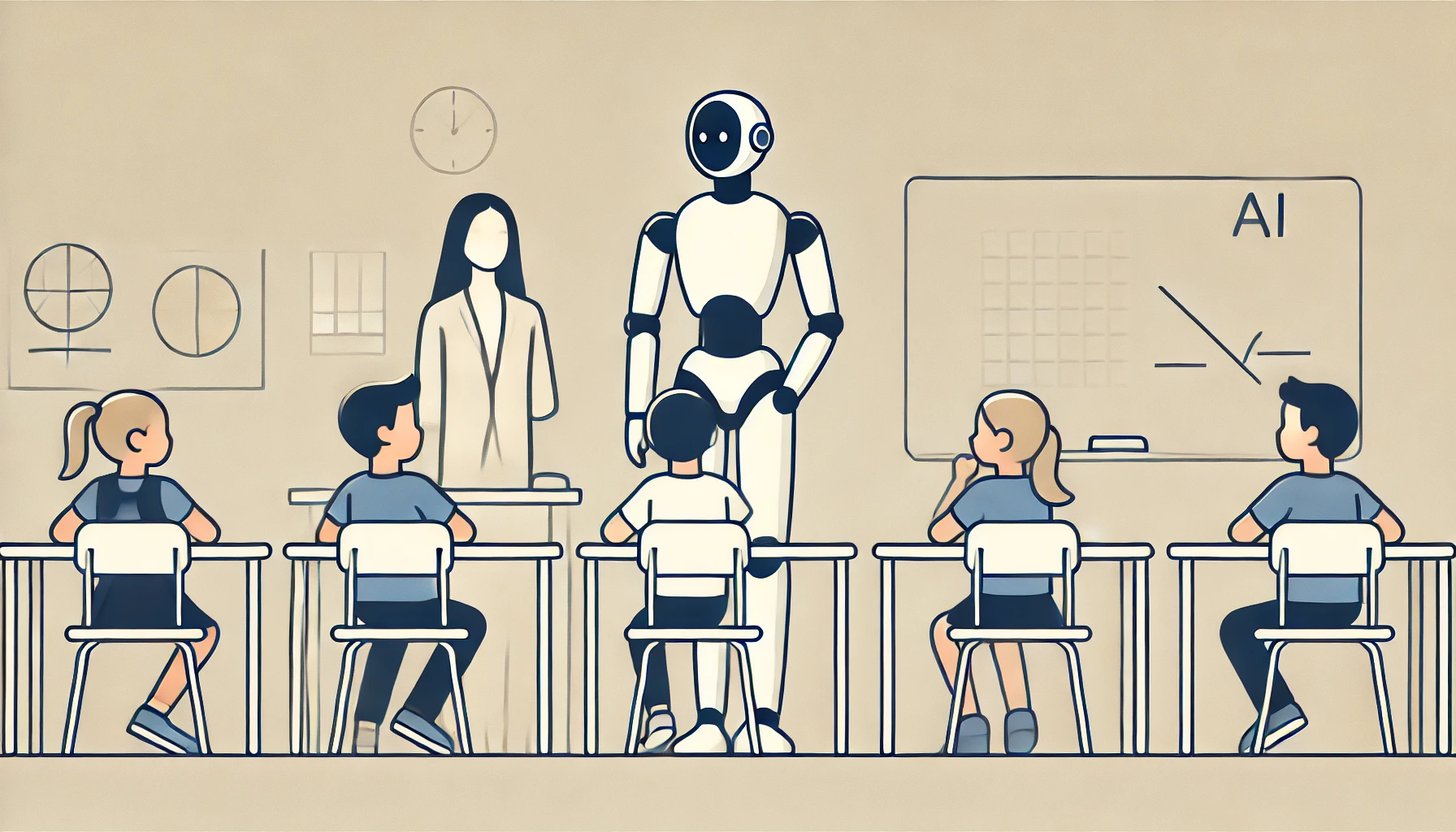
- Education & Training: AI tutors detect student frustration or confusion, adjusting teaching styles dynamically to improve learning experiences.
Ethical Concerns: Can AI Manipulate Emotions?
While Emotion AI has promising applications, it also raises serious ethical questions:
- Manipulation Risks: AI capable of detecting emotions can exploit vulnerabilities, influencing consumer choices, political opinions, or even social behaviors.
- Privacy Concerns: The collection and analysis of emotional data pose significant risks, as companies could misuse this deeply personal information.
- Authenticity Issues: As AI becomes more emotionally responsive, will humans struggle to differentiate between real and artificial emotional interactions?
- Bias in Emotion Recognition: Studies show that facial recognition systems can misinterpret emotions based on cultural differences, leading to inaccurate assessments and unintended consequences.
Conclusion: Are We Ready for Emotionally Intelligent Machines?
AI may not truly feel emotions like humans, but it’s getting eerily good at faking it. The rise of Emotion AI blurs the line between genuine human empathy and machine-driven responses, forcing us to reconsider the nature of emotional intelligence in the digital age.
As technology continues to evolve, the question isn’t just whether AI can understand emotions—it’s whether we, as a society, are prepared for this level of human-machine interaction.
How AI in Education Can Prevent Future Generations from Falling into Poverty
In an increasingly digital world, the integration of Artificial Intelligence (AI) into education systems holds transformative potential, particularly in combating the cycle of poverty. By enhancing access to quality education, personalizing learning experiences, and equipping individuals with relevant skills, AI can serve as a pivotal force in preventing future generations from succumbing to poverty.
Expanding Access to Quality Education
One of the most profound impacts of AI in education is its ability to democratize learning opportunities. In regions where educational resources are scarce, AI-powered platforms can deliver instructional content through mobile devices, making learning accessible to underserved communities. For instance, AI-enabled virtual learning systems have the potential to make education much more accessible for students from all backgrounds, including those who are economically disadvantaged. citeturn0search1
Moreover, AI-driven educational tools can operate offline or with minimal internet connectivity, addressing infrastructure challenges in remote areas. This adaptability ensures that students in impoverished regions receive quality education, thereby laying the groundwork for economic empowerment.
Personalizing Learning Experiences
AI’s capacity to analyze data and adapt to individual learning styles enables the creation of personalized educational experiences. Intelligent tutoring systems can identify a learner’s strengths and weaknesses, tailoring instruction to meet their specific needs. This personalized approach not only enhances learning outcomes but also fosters a sense of engagement and motivation among students.
In regions where teacher-to-student ratios are high, AI can supplement traditional instruction by providing additional support, ensuring that each student receives the attention necessary to thrive academically. This targeted assistance is crucial in preventing students from falling behind, a common issue that can lead to increased dropout rates and perpetuate poverty.
Bridging Language Barriers
Language barriers often hinder educational attainment in multilingual societies. AI-powered translation and language learning tools can bridge this gap by offering real-time translation and personalized language instruction. For example, in Malawi, farmers now utilize a generative AI chatbot called Ulangizi for agricultural advice in their native Chichewa. This technology has boosted their confidence, aiding them in securing employment and improving their livelihoods. citeturn0news14
By facilitating comprehension and communication, AI enables students to access a broader range of educational materials, participate actively in class, and perform better academically. This inclusivity is essential in equipping learners with the skills needed to break free from the constraints of poverty.
Enhancing Teacher Support and Professional Development
AI is not limited to student learning; it also plays a significant role in supporting educators. AI-driven tools can assist teachers in developing lesson plans, assessing student performance, and identifying areas where students may need additional support. For instance, in Sierra Leone, an AI chatbot was introduced to assist teachers with professional development, helping them improve their instruction. citeturn0academia12
By alleviating administrative burdens and providing insights into student learning patterns, AI allows teachers to focus more on instruction and student engagement. Well-supported educators are better equipped to deliver quality education, which is instrumental in lifting communities out of poverty.
Preparing Students for the Future Workforce
As the job market evolves, there is a growing demand for digital literacy and technological proficiency. AI can help bridge the gap between current educational offerings and the skills required by modern industries. For example, Estonia has launched a national initiative, AI Leap, to teach AI skills to high school students in collaboration with US tech companies. The program aims to prepare students for future jobs and promote critical thinking and AI awareness. citeturn0news11
By integrating AI into the curriculum, educational institutions can equip students with relevant skills, enhancing their employability and reducing the likelihood of poverty.
Challenges and Considerations
While the potential benefits of AI in education are substantial, several challenges must be addressed to ensure equitable implementation:
- Digital Divide: Access to technology remains uneven, with economically disadvantaged communities often lacking the necessary infrastructure. Initiatives must focus on providing affordable devices and internet connectivity to bridge this gap.
- Data Privacy: The use of AI involves collecting and analyzing student data, raising concerns about privacy and consent. Robust policies must be established to protect individuals’ information.
- Cultural Relevance: AI educational tools should be tailored to respect and incorporate local cultures and languages to ensure relevance and acceptance.
Conclusion
Artificial Intelligence holds transformative potential in the realm of education, particularly in its capacity to break the cycle of poverty. By expanding access to quality education, personalizing learning experiences, supporting educators, and preparing students for the future workforce, AI can equip individuals with the tools necessary for economic empowerment. However, to fully realize this potential, it is imperative to address challenges related to access, privacy, and cultural relevance, ensuring that AI serves as a catalyst for inclusive and equitable educational advancement.
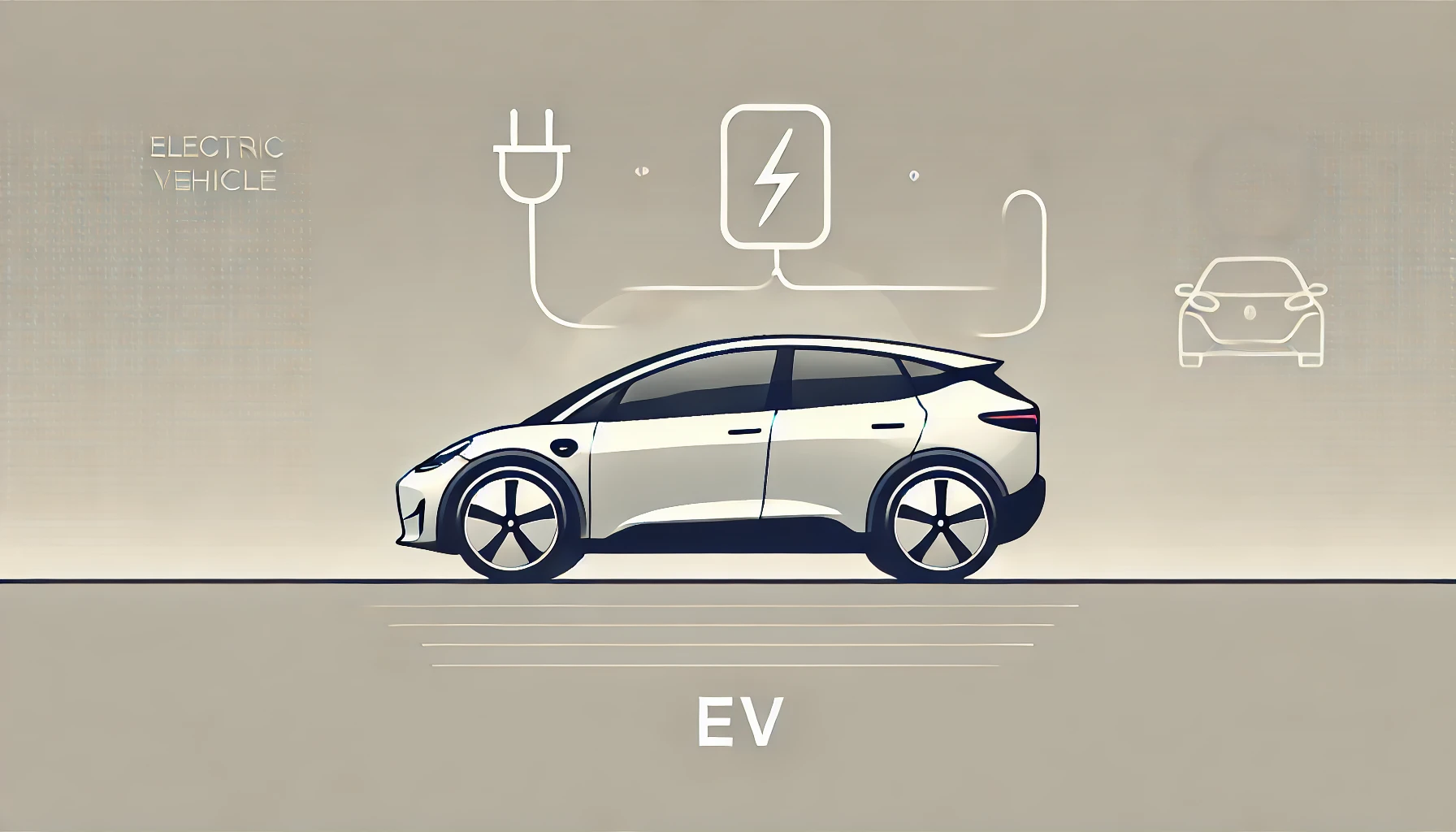
The Evolution of Artificial Intelligence in Electric Vehicles
In the rapidly advancing world of transportation, the fusion of artificial intelligence (AI) with electric vehicles (EVs) is not just a technological progression but a transformative journey reshaping how we perceive mobility. This evolution traces back to the early integration of basic automation features and has now burgeoned into sophisticated systems that promise a future of autonomous, efficient, and intelligent transportation.
Early Integration: The Genesis of AI in EVs
The initial steps of incorporating AI into EVs were modest yet significant. Early models featured rudimentary driver-assistance systems, such as adaptive cruise control and basic energy management algorithms. These systems utilized simple rule-based AI to enhance driving comfort and improve energy efficiency. The primary focus was on optimizing the limited battery capacities and providing drivers with basic assistance, laying the groundwork for more advanced functionalities.
Advancements in Autonomous Driving
As AI technology matured, its application in EVs expanded, particularly in the realm of autonomous driving. Companies like Tesla pioneered the integration of AI-driven systems capable of lane-keeping, traffic-aware cruise control, and automated parking. Tesla’s Autopilot system, introduced in 2015, marked a significant milestone by offering semi-autonomous driving features that leveraged machine learning to improve over time. This development showcased the potential of AI to handle complex driving tasks, setting the stage for fully autonomous vehicles.
Enhancing Energy Efficiency and Battery Management
Beyond driving automation, AI has played a crucial role in enhancing the core aspects of EVs—energy efficiency and battery management. Advanced AI algorithms analyze driving patterns, environmental conditions, and battery health to optimize energy consumption and extend battery life. Predictive maintenance, powered by AI, allows for real-time monitoring and early detection of potential issues, reducing downtime and maintenance costs. This intelligent management ensures that EVs are not only sustainable but also reliable and cost-effective.
The Rise of Intelligent Infotainment and Connectivity
The evolution of AI in EVs is also evident in the enhancement of in-car experiences. Modern EVs are equipped with intelligent infotainment systems that offer personalized content, voice-activated controls, and seamless connectivity. AI enables these systems to learn driver preferences, provide real-time traffic updates, and integrate with smart home devices, creating a holistic and intuitive user experience. This connectivity extends to vehicle-to-everything (V2X) communication, where AI facilitates interaction between the vehicle and its surroundings, enhancing safety and efficiency.
Recent Developments and Future Prospects
The trajectory of AI in EVs continues to ascend with recent developments pushing the boundaries of innovation. Companies like Wayve are accelerating global expansion plans, leveraging AI to develop autonomous driving technologies that adapt to various environments with fewer sensors. Their approach signifies a shift towards more scalable and cost-effective autonomous solutions. citeturn0news7
In China, the term “Electric Intelligent Vehicles” (EIVs) has emerged, reflecting the integration of advanced AI features such as autonomous driving and voice recognition. Companies like BYD are investing heavily in AI and self-driving capabilities, aiming to enhance user experiences with sophisticated cockpit systems and software. This trend indicates a competitive landscape where technological advancements are key differentiators. citeturn0news20
Moreover, collaborations between tech giants and automakers are fostering innovation. For instance, Baidu and CATL have partnered to develop competitive driverless vehicles, focusing on integrating AI with battery technologies to create efficient and intelligent transportation solutions. Such collaborations highlight the interdisciplinary efforts required to advance AI in EVs. citeturn0news10
Challenges and Considerations
Despite the remarkable progress, the integration of AI in EVs faces challenges. Ensuring safety and gaining regulatory approvals for autonomous features remain significant hurdles. The complexity of real-world driving scenarios requires AI systems to be exceptionally robust and reliable. Additionally, addressing ethical considerations, such as decision-making in critical situations and data privacy, is crucial as vehicles become more connected and intelligent.
Conclusion
The evolution of AI in electric vehicles is a testament to the relentless pursuit of innovation in the automotive industry. From humble beginnings with basic automation to the cusp of fully autonomous and intelligent transportation, AI has been instrumental in transforming EVs. As technology continues to advance, the synergy between AI and EVs promises a future where transportation is not only sustainable but also smarter, safer, and more connected.
INTEGRATION OF ARTIFICIAL INTELLIGENCE IN AGILE PRODUCT DEVELOPMENT
The rapid advancement of technology has significantly transformed product development methodologies. Among these, Agile Development stands out for its iterative and incremental approach, emphasizing flexibility, collaboration, and customer-centricity. Concurrently, the integration of Artificial Intelligence (AI) into Agile practices has garnered increasing interest, offering potential enhancements in decision-making, workflow optimization, and overall efficiency. This article explores the convergence of AI and Agile product development, assessing the benefits, challenges, and future opportunities.
What is Agile Product Development?
Agile Product Development is a methodology that focuses on delivering products through iterative cycles known as sprints. Each sprint aims to produce a functional increment of the product, allowing teams to adapt to changing requirements and incorporate continuous feedback. This approach contrasts with traditional linear methodologies, promoting adaptability and responsiveness to customer needs.
Historical Evolution and Innovation in Agile Product Development
Since its inception in the early 2000s, Agile methodologies have evolved to incorporate various tools and practices aimed at enhancing efficiency. Innovations such as Kanban boards, Scrum frameworks, automated testing, and DevOps practices have been integrated into Agile workflows. More recently, AI has emerged as a transformative tool, automating routine tasks and providing actionable insights through data analytics.
Current Acceptance of AI in Agile
The integration of AI into Agile practices is steadily gaining traction. Development teams are increasingly incorporating AI tools into their Agile workflows, recognizing AI’s potential to automate routine tasks, provide insights through data analysis, and facilitate decision-making processes. However, the acceptance of AI varies across industries and company sizes. Larger organizations with more resources tend to embrace AI more readily, while smaller teams may proceed cautiously due to budget constraints or skill gaps. Surveys indicate that teams employing AI in Agile processes experience significant improvements in decision-making speed and resource allocation efficiency. Despite these benefits, there remains some hesitation about fully relying on AI for critical decision-making.
Pain Points in Agile Product Development
- Unpredictable Changes: Agile is designed to handle change, but frequent shifts in scope or requirements can disrupt team momentum.
- Time Management: Effectively managing sprint timelines can be challenging, especially when unforeseen obstacles arise.
- Quality Assurance: Maintaining consistent quality throughout iterative cycles requires thorough and sometimes repetitive testing.
- Dependency Management: Coordinating interdependencies between teams and tasks can lead to delays and inefficiencies.
- Communication Gaps: In distributed teams, communication can be a bottleneck, leading to misunderstandings or misalignment.
Utilizing AI to Address Agile Pain Points
Integrating AI into Agile processes enables teams to focus more on creative and strategic activities by automating routine tasks.
- Predictive Analytics: AI can forecast potential risks, resource needs, or timeline adjustments by analyzing historical data, allowing teams to anticipate changes proactively.
- Automated Testing: AI-driven testing tools can significantly reduce the time spent on repetitive tasks, improving overall quality assurance without sacrificing development speed.
- Efficient Sprint Planning: AI can aid in task prioritization and sprint planning by analyzing task dependencies, effort estimates, and team capacity.
- Improved Risk Management: Machine learning models can analyze project performance data, leading to enhanced risk management strategies.
- Natural Language Processing (NLP): AI can help bridge communication gaps by automatically summarizing meetings, generating reports, and offering real-time translations for distributed teams.
- Data-Driven Decision-Making: AI tools can offer insights into customer behavior and product performance, supporting better decision-making aligned with customer needs.
Generative AI in Agile Software Development
Generative AI (GenAI) represents an advanced form of AI that can significantly enhance Agile software development processes.
- Automated User Story Generation: GenAI can assist in backlog refinement by generating and clarifying user stories.
- Effort Estimation: By analyzing historical data and patterns, GenAI can estimate the complexity of user stories and identify potential risks.
- Progress Monitoring: GenAI tools can analyze individual and team progress based on task updates, identifying potential bottlenecks or areas needing additional support.
- Feedback Analysis: GenAI can assist in analyzing user feedback and brainstorming ideas, leading to more user-centric product development.
- Automated Testing: GenAI can aid in generating test cases and automating testing processes, ensuring consistent quality assurance.
Limitations and Risks of AI in Agile Development
While integrating AI into Agile offers numerous advantages, several limitations and risks should be considered:
- Data Dependency: AI’s effectiveness relies heavily on the quality and quantity of available data. Incomplete or biased data can lead to incorrect predictions or outcomes.
- Over-Automation: Excessive automation can reduce human oversight, potentially leading to errors in critical decision-making.
- Skill Gaps: Effective AI integration requires skilled personnel who understand both Agile principles and AI technology, which may be challenging to find.
- Trust Issues: Teams may be hesitant to rely on AI recommendations, especially in creative or strategic areas that require human intuition.
- Cost Considerations: Implementing AI tools can be expensive, and the return on investment may not be immediately visible.
- Inconsistency with Agile Principles: Agile emphasizes open communication and visibility, but AI’s decision-making can sometimes be perceived as a “black box.”
Future Scope and Opportunities
The future of AI in Agile Development is promising. With advancing AI technology and increasing accessibility, it will play a more integrated and vital role in Agile development.
- AI-Assisted Development: AI could evolve to provide direct assistance in coding, such as suggesting optimized code snippets, debugging assistance, and best coding practices.
- Improved User Feedback Loop: AI-driven sentiment analysis and behavioral analytics could enhance the feedback loop, helping Agile teams align closely with customer expectations.
- Adaptive Agile Frameworks: AI could enable dynamic and personalized frameworks for product development based on the team’s needs, performance, project complexities, and historical data.
- Faster and More Efficient Research and Insights: AI can significantly reduce the time spent in the initial phase of Agile development by analyzing vast datasets and providing actionable insights.
Conclusion
The integration of Artificial Intelligence in Agile product development is not just a trend—it is a fundamental shift in how teams develop, manage, and deliver products. AI-powered tools provide Agile teams with enhanced predictive analytics, automation, and decision-making capabilities, allowing for faster development cycles, improved quality assurance, and optimized workflows.
While challenges exist, the key to successful AI adoption in Agile lies in balancing automation with human oversight. Agile teams that effectively integrate AI will gain a competitive advantage, making their development processes more intelligent, efficient, and adaptable to market demands.
The future of Agile is not just human-driven—it is AI-augmented.

IMPACT OF AI-DRIVEN DIGITAL TWINS ON PRODUCT DEVELOPMENT
What is a Digital Twin?
A Digital Twin is a virtual representation of a physical asset, process, or system that mirrors its real-world counterpart in real time. This digital replica enables organizations to simulate, analyze, and predict the performance and behavior of their assets under various conditions without physical trials. By integrating real-time data and business information, digital twins create immersive environments that facilitate simulations, scenario planning, and informed decision-making.
Types of Digital Twins
- Product Twins: These represent a product at any stage of its lifecycle, from conceptualization to full functionality. They allow for virtual testing and optimization before physical prototypes are built.
- Process Twins: These simulate manufacturing or operational processes, enabling the analysis and improvement of workflows for efficiency and quality.
- System Twins: These model the interaction between various components within a system, such as machinery in a production line, to optimize performance and identify potential issues.
- Infrastructure Twins: These represent physical infrastructures like highways or buildings, aiding in maintenance, planning, and operational efficiency.

Image Credit: innni/Shutterstock.com
Real-World Applications of Digital Twins
- Ford Motor Company: By creating digital twins of their vehicles, Ford can conduct simulations on aerodynamics, safety features, and ergonomics, reducing the need for multiple physical prototypes and accelerating the design process.
- Siemens: In the energy sector, Siemens uses digital twins to test wind turbines under various simulated environmental conditions, allowing for the prediction and resolution of potential issues before actual deployment.
Advantages of AI-Driven Digital Twins
- Predictive Analytics: AI enhances digital twins by forecasting future scenarios based on historical and real-time data, enabling proactive maintenance and risk mitigation.
- Improved Decision Making: AI allows for the simulation of various scenarios, providing decision-makers with insights to optimize resource allocation and strategic planning.
- Real-Time Monitoring: AI enables continuous tracking and analysis of physical assets, allowing for immediate responses to changes and performance optimization.
- Continuous Learning and Improvement: AI algorithms learn from data over time, leading to ongoing enhancements in product designs, processes, and performance.
- Automation of Tasks and Workflows: AI automates routine tasks such as data collection and analysis, freeing up human resources for more complex activities.
Impact on Product Development
- Cost Efficiency: System digital twins help optimize costs by identifying inefficiencies and predicting maintenance needs, thereby reducing downtime and operational expenses. citeturn0search0
- Shorter Time-to-Market: Product digital twins enable rapid prototyping and testing, significantly reducing the time required to bring a product from concept to market. citeturn0search2
- Agile Development Process: Digital twins facilitate adaptable development processes, allowing for quick iterations and responsiveness to changes in requirements or market conditions.
- Enhanced Risk Management: Simulating real-world scenarios with digital twins allows companies to predict and assess potential risks, leading to the delivery of more reliable products.
- Predictive Maintenance: AI-driven twins provide ongoing data post-launch to monitor and improve product performance, minimizing downtime and enhancing customer experience.
Limitations and Considerations
- High Initial Costs: Developing and implementing digital twins can require substantial upfront investment in technology and expertise.
- Technical Complexity: The creation and maintenance of digital twins involve sophisticated technologies that may necessitate specialized skills.
- Data Quality Requirements: Reliable outputs from digital twins depend on the availability of high-quality, representative data.
- Data Privacy and Security Risks: Handling vast amounts of data introduces concerns regarding privacy and security, necessitating robust protection measures.
- Scalability Challenges: Implementing digital twins across large enterprises with multiple products can be complex and resource-intensive.
- Performance Assessment Difficulties: Evaluating and validating the performance of digital twins can be challenging due to their complexity and the dynamic nature of real-world systems.
In conclusion, AI-driven digital twins are transforming product development by enabling more efficient design processes, proactive maintenance, and data-driven decision-making. While challenges exist, the benefits of adopting this technology can lead to significant advancements in how products are developed, tested, and maintained.
AI in Healthcare: Revolutionizing Diagnosis, Treatment, and Patient Care
Artificial intelligence is transforming the healthcare industry, making medical diagnosis faster, treatments more personalized, and patient care more efficient. From analyzing complex medical data to assisting in surgeries, AI is becoming an indispensable tool in modern medicine.
Key AI Applications in Healthcare
- Medical Imaging & Diagnosis: AI-powered tools like Google’s DeepMind and IBM Watson can detect diseases such as cancer and eye conditions by analyzing medical scans more accurately than human doctors.
- Drug Discovery: AI accelerates the process of finding new drugs by predicting how different compounds will interact with diseases, significantly reducing research time and costs.
- Virtual Health Assistants: Chatbots and AI-driven apps help patients monitor their symptoms, provide basic medical advice, and even schedule doctor appointments.
- Predictive Analytics: Hospitals use AI to analyze patient data and predict disease outbreaks, patient deterioration, or potential complications, enabling early intervention.
While AI brings incredible benefits, challenges like data privacy, bias in medical algorithms, and the ethical implications of AI-driven decisions must be carefully addressed. However, as technology advances, AI is set to play an even bigger role in improving global healthcare outcomes.