For decades, Hollywood has pushed the boundaries of technology to tell stories in bigger, bolder ways. From the early days of practical effects to CGI-driven blockbusters, filmmakers have constantly evolved their craft. Now, artificial intelligence is taking center stage, reshaping how movies are written, filmed, edited, and even marketed.
AI is no longer just a behind-the-scenes tool—it’s actively influencing the creative process, generating scripts, designing special effects, and even bringing actors back to life. But how far can AI go in the film industry? And should we be excited or concerned about what’s coming next?
The Rise of AI Scriptwriters
Could Hollywood’s next blockbuster be written by a machine? It might sound like science fiction, but AI-powered scriptwriting tools are already in action. Programs like ChatGPT, Jasper AI, and Sudowrite are being used by writers to brainstorm ideas, generate dialogue, and even structure entire screenplays.
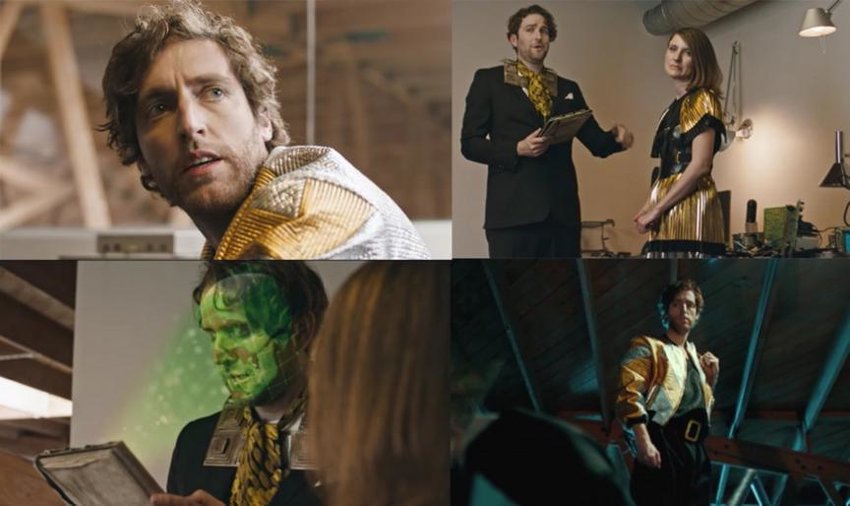
Screenshot from the movie ‘Sunspring’
One of the earliest experiments with AI-generated storytelling was Sunspring (2016), a short film with a screenplay entirely written by a neural network. The result was bizarre, filled with disjointed dialogue and nonsensical character interactions—but also strangely poetic. While AI is far from replacing human writers, it has become a valuable brainstorming tool, offering fresh perspectives and helping with creative roadblocks.
Still, there’s an undeniable fear that AI could lead to formulaic storytelling, churning out scripts based on data-driven patterns rather than original creativity. Hollywood thrives on innovation, and while AI can analyze what has worked in the past, it struggles to create something truly groundbreaking.
The Age of Digital Actors and Deepfake Technology
Imagine a world where an actor never ages, never retires, and never even has to step onto a set. With AI-powered deepfake technology, that future is closer than ever.
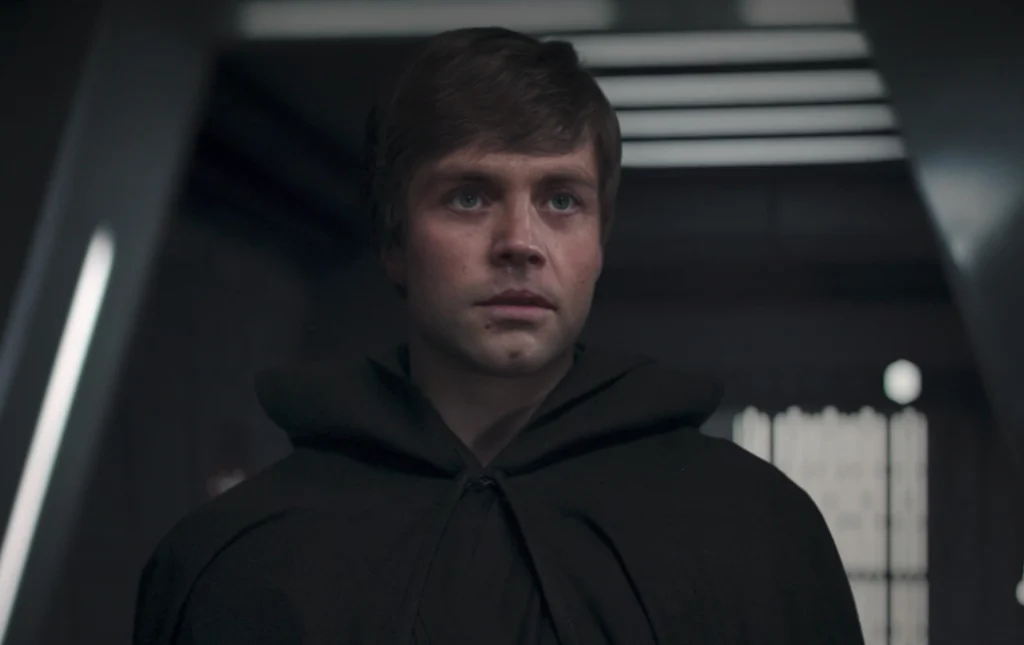
A de-aged Mark Hamill appears as Luke Skywalker in “The Mandalorian” Season 2 finale Disney
One of the most talked-about examples of this came in The Mandalorian, where a younger version of Luke Skywalker was brought back to life using deepfake technology. AI was able to recreate actor Mark Hamill’s youthful face, blending real footage with digital manipulation. Similarly, James Earl Jones has officially retired from voicing Darth Vader, but AI will continue to generate his iconic voice for future Star Wars projects.
This technology opens up both thrilling and unsettling possibilities. On one hand, it allows filmmakers to tell stories that were once impossible. Actors can reprise roles decades after their prime, and even deceased performers can “return” to the screen. On the other hand, it raises serious ethical questions. Should studios be allowed to use an actor’s likeness indefinitely? What happens to the craft of acting if AI can replicate human performances?
AI-Generated Visual Effects and CGI Revolution
For years, visual effects (VFX) have been one of the most expensive and time-consuming aspects of filmmaking. AI is now streamlining that process, making high-quality effects more accessible than ever.
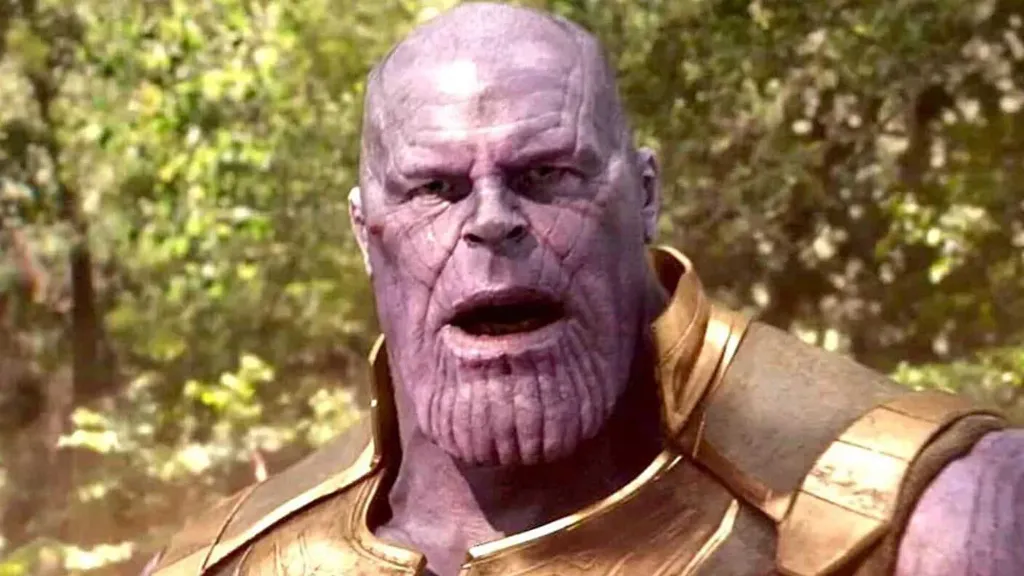
Image courtesy of Marvel Studios
Movies like Avengers: Endgame used AI-powered VFX to create entire battle sequences filled with digital characters and environments. AI-assisted motion capture has made characters like Thanos (Avengers) and Gollum (Lord of the Rings) more lifelike than ever before.
But AI is doing more than just enhancing CGI—it’s actually creating it. New AI tools can generate realistic landscapes, de-age actors, and even transform performances in real-time. AI-driven software can automatically clean up and restore old film footage, bringing classics into 4K resolution with stunning clarity.
This technology is leveling the playing field for smaller studios that may not have the budget for Hollywood’s most advanced effects. But it also begs the question: if AI can create digital environments, characters, and performances, will we still need human artists in the future?
Editing, Marketing, and the Business of AI in Film
Beyond the creative aspects, AI is changing the way movies are edited, marketed, and even predicted for success.
Editing software powered by AI, such as Adobe Sensei, can automatically cut scenes, balance colors, and enhance images with remarkable precision. Meanwhile, AI is helping studios predict which movies will be box office hits. Streaming giants like Netflix and Disney+ already use AI-driven algorithms to recommend films based on viewing history, but now, studios are using similar data to decide what films to greenlight.
By analyzing audience trends, AI can determine the most profitable release dates, ideal trailer structures, and even which actors would generate the most ticket sales. While this data-driven approach makes business sense, it also raises concerns about creativity. If AI determines what audiences want, will studios stop taking risks?
Will AI Take Over Hollywood?
Hollywood has always embraced new technology, from the transition to color film to the rise of CGI. AI is simply the next chapter in that evolution. It’s clear that AI is revolutionizing filmmaking, making it faster, cheaper, and more efficient—but the heart of storytelling remains deeply human.
The future of AI in Hollywood will likely be a collaboration, not a takeover. AI can assist writers, enhance special effects, and optimize marketing strategies, but it can’t replace human creativity, emotion, and artistic vision.
For now, AI is an incredibly powerful tool—but Hollywood’s greatest stories will still be shaped by the people behind the camera.