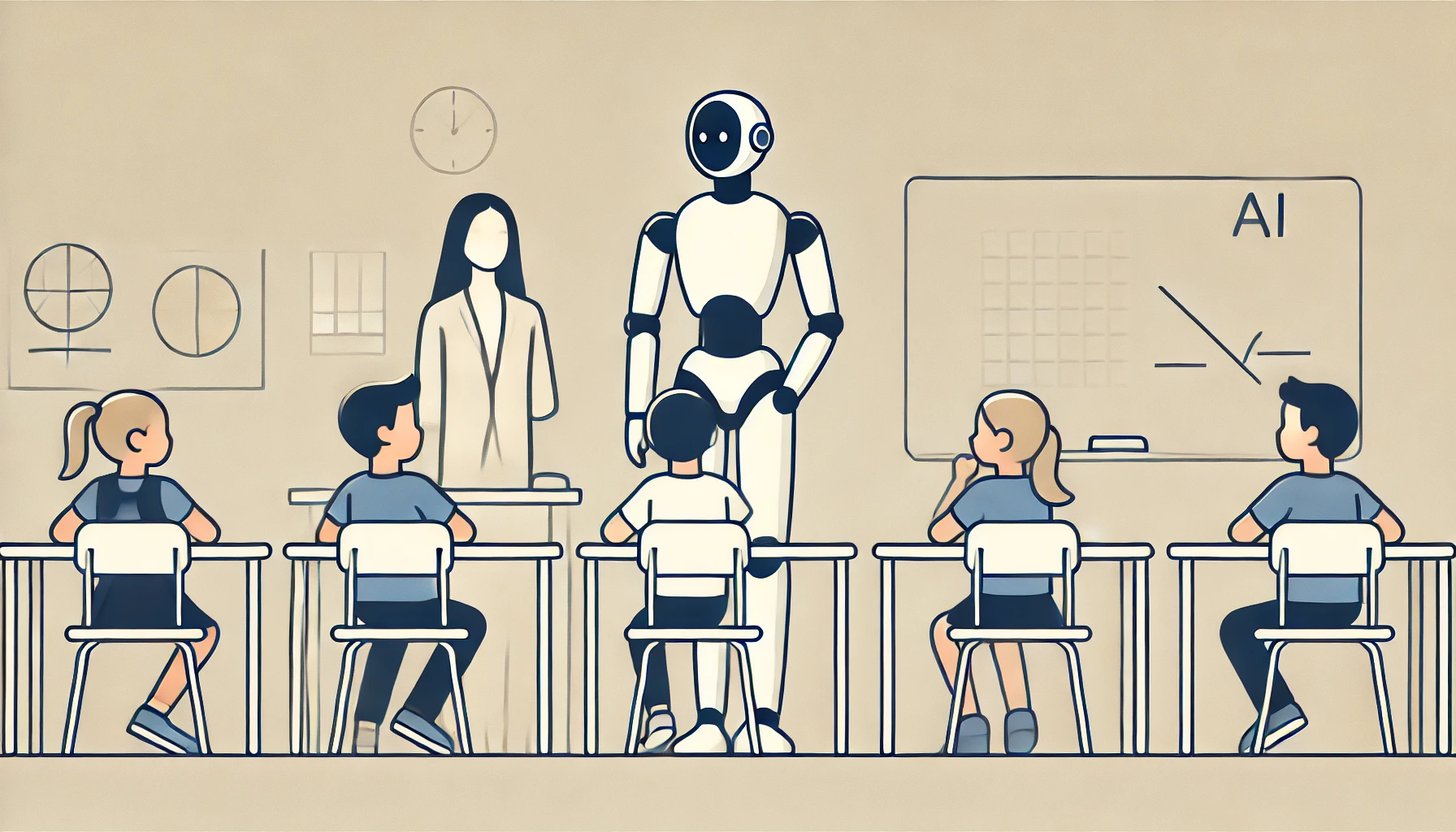
In an increasingly digital world, the integration of Artificial Intelligence (AI) into education systems holds transformative potential, particularly in combating the cycle of poverty. By enhancing access to quality education, personalizing learning experiences, and equipping individuals with relevant skills, AI can serve as a pivotal force in preventing future generations from succumbing to poverty.
Expanding Access to Quality Education
One of the most profound impacts of AI in education is its ability to democratize learning opportunities. In regions where educational resources are scarce, AI-powered platforms can deliver instructional content through mobile devices, making learning accessible to underserved communities. For instance, AI-enabled virtual learning systems have the potential to make education much more accessible for students from all backgrounds, including those who are economically disadvantaged. citeturn0search1
Moreover, AI-driven educational tools can operate offline or with minimal internet connectivity, addressing infrastructure challenges in remote areas. This adaptability ensures that students in impoverished regions receive quality education, thereby laying the groundwork for economic empowerment.
Personalizing Learning Experiences
AI’s capacity to analyze data and adapt to individual learning styles enables the creation of personalized educational experiences. Intelligent tutoring systems can identify a learner’s strengths and weaknesses, tailoring instruction to meet their specific needs. This personalized approach not only enhances learning outcomes but also fosters a sense of engagement and motivation among students.
In regions where teacher-to-student ratios are high, AI can supplement traditional instruction by providing additional support, ensuring that each student receives the attention necessary to thrive academically. This targeted assistance is crucial in preventing students from falling behind, a common issue that can lead to increased dropout rates and perpetuate poverty.
Bridging Language Barriers
Language barriers often hinder educational attainment in multilingual societies. AI-powered translation and language learning tools can bridge this gap by offering real-time translation and personalized language instruction. For example, in Malawi, farmers now utilize a generative AI chatbot called Ulangizi for agricultural advice in their native Chichewa. This technology has boosted their confidence, aiding them in securing employment and improving their livelihoods. citeturn0news14
By facilitating comprehension and communication, AI enables students to access a broader range of educational materials, participate actively in class, and perform better academically. This inclusivity is essential in equipping learners with the skills needed to break free from the constraints of poverty.
Enhancing Teacher Support and Professional Development
AI is not limited to student learning; it also plays a significant role in supporting educators. AI-driven tools can assist teachers in developing lesson plans, assessing student performance, and identifying areas where students may need additional support. For instance, in Sierra Leone, an AI chatbot was introduced to assist teachers with professional development, helping them improve their instruction. citeturn0academia12
By alleviating administrative burdens and providing insights into student learning patterns, AI allows teachers to focus more on instruction and student engagement. Well-supported educators are better equipped to deliver quality education, which is instrumental in lifting communities out of poverty.
Preparing Students for the Future Workforce
As the job market evolves, there is a growing demand for digital literacy and technological proficiency. AI can help bridge the gap between current educational offerings and the skills required by modern industries. For example, Estonia has launched a national initiative, AI Leap, to teach AI skills to high school students in collaboration with US tech companies. The program aims to prepare students for future jobs and promote critical thinking and AI awareness. citeturn0news11
By integrating AI into the curriculum, educational institutions can equip students with relevant skills, enhancing their employability and reducing the likelihood of poverty.
Challenges and Considerations
While the potential benefits of AI in education are substantial, several challenges must be addressed to ensure equitable implementation:
- Digital Divide: Access to technology remains uneven, with economically disadvantaged communities often lacking the necessary infrastructure. Initiatives must focus on providing affordable devices and internet connectivity to bridge this gap.
- Data Privacy: The use of AI involves collecting and analyzing student data, raising concerns about privacy and consent. Robust policies must be established to protect individuals’ information.
- Cultural Relevance: AI educational tools should be tailored to respect and incorporate local cultures and languages to ensure relevance and acceptance.
Conclusion
Artificial Intelligence holds transformative potential in the realm of education, particularly in its capacity to break the cycle of poverty. By expanding access to quality education, personalizing learning experiences, supporting educators, and preparing students for the future workforce, AI can equip individuals with the tools necessary for economic empowerment. However, to fully realize this potential, it is imperative to address challenges related to access, privacy, and cultural relevance, ensuring that AI serves as a catalyst for inclusive and equitable educational advancement.